

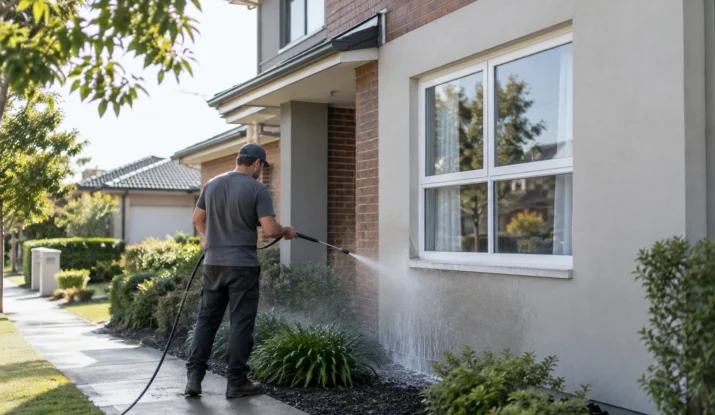
Soft Washing vs Pressure Washing: Which Is Right for Your Home Exterior?
Green streaks on the roof, black mould on the render and a driveway that never looks clean. Choosing the wrong cleaning method can strip paint, lift tiles and bring the grime back within months. Soft washing and pressure washing solve different problems, and knowing which one your property needs protects both your home and your budget.
Table of Contents
- What Is Soft Washing?
- Soft Washing vs Pressure Washing
- How Soft Washing Works Step by Step
- What Chemicals Are Used in Soft Washing?
- What Surfaces Can Be Soft Washed?
- Benefits and Limitations of Soft Washing
- How Much Does Soft Washing Cost in Australia?
- Is Soft Washing Safe for Plants, Pets and the Environment?
- DIY vs Hiring a Professional
- How Often Should You Soft Wash?
- Conclusion
What Is Soft Washing?
Soft washing is a low-pressure exterior cleaning method that uses a cleaning solution, not force, to break down and remove mould, algae, mildew and dirt from roofs, walls and other surfaces. It is designed for delicate surfaces such as roofs, render and weatherboard.
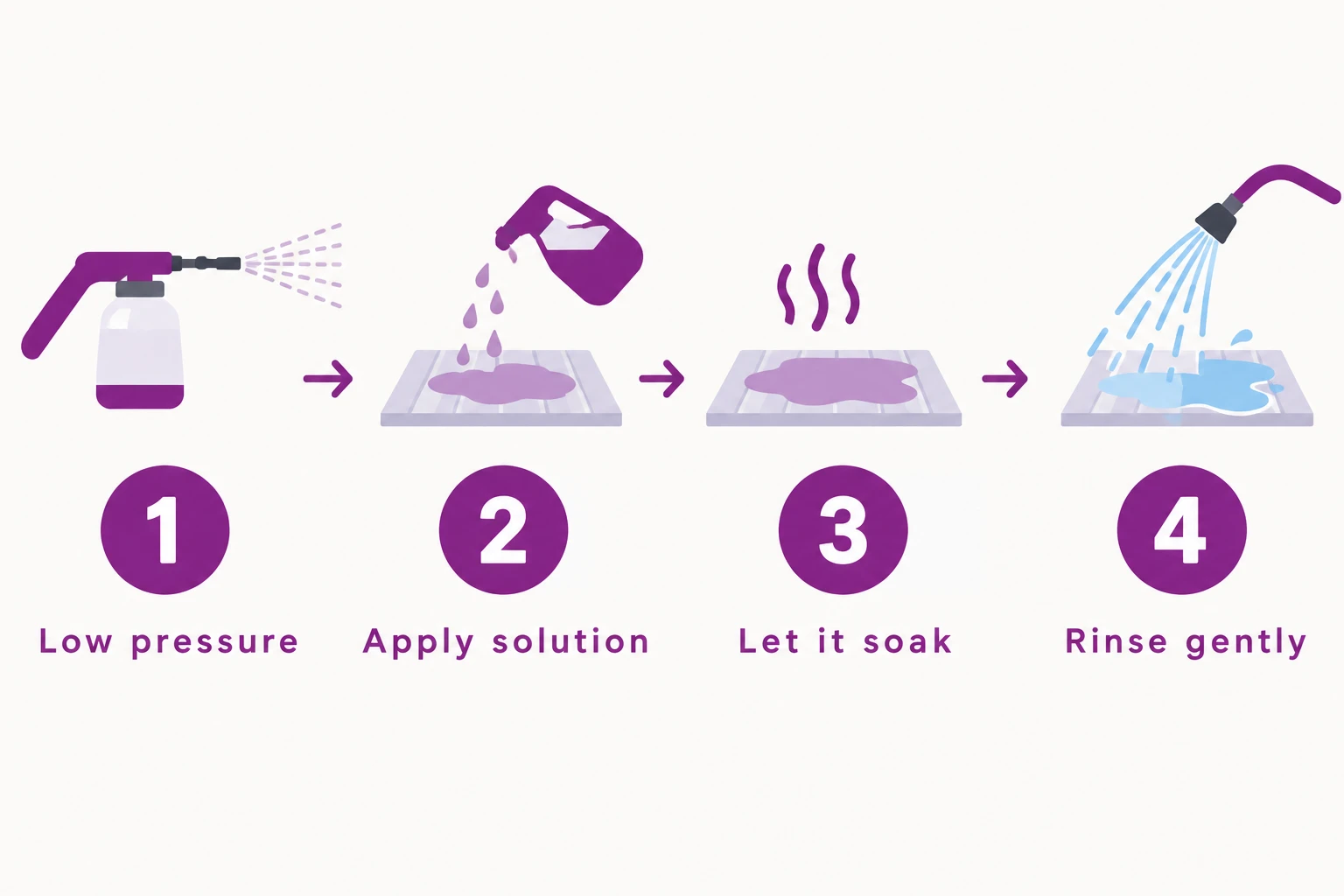
Soft Washing in One Clear Definition
Soft washing is generally defined as under 500 PSI using a chemical solution such as sodium hypochlorite. Many setups run at roughly 150-300 PSI combined with cleaning chemicals. That is comparable to a garden hose.
How Low Pressure and Chemistry Work Together
The solution does the cleaning. It is applied gently, left to work, then rinsed away. Because the organic growth is treated at the root, the surface stays cleaner for longer.
Key takeaway: Pressure washing blasts dirt off. Soft washing dissolves and kills what causes the dirt.
Soft Washing vs Pressure Washing
Is soft washing better than pressure washing? Neither wins every time. It depends on the surface and the type of grime.
PSI and Flow Rate Comparison
Pressure washing typically runs at pressures in the thousands of PSI, which is powerful enough to cut into timber, strip paint and lift roof tiles. Soft washing stays at garden-hose levels and relies on chemistry.
Surface-by-Surface Comparison Table
| Factor | Soft Washing | Pressure Washing |
|---|---|---|
| Pressure | Roughly 150-300 PSI | Often well above 1,500 PSI |
| Cleaning action | Chemical solution | Mechanical force |
| Best surfaces | Roofs, render, weatherboard, fences | Concrete, driveways, pavers, tiles |
| Best for | Mould, algae, mildew, lichen | Oil marks, ground-in grime, heavy build-up |
| Longevity of results | Longer, as growth is killed at the root | Shorter on organic growth |
| Risk of damage | Low when done correctly | Higher on soft or aged materials |
Risks of Using the Wrong Method
High pressure on a tile roof can crack tiles and force water under them. On render or weatherboard it can gouge surfaces and push water behind cladding. Soft washing a heavily oil-stained driveway, meanwhile, will leave the stain behind.
Pressure cleaning remains the right choice for hard, flat surfaces such as concrete and driveways. HiRange offers both, so the method is matched to the job. See our pressure cleaning quote page for more.
How Soft Washing Works Step by Step
Professional systems follow a disciplined process. In practice, it comes down to five key actions.
- Inspect: Check the surface, access points, gutters and condition of the material.
- Protect: Cover or pre-wet plants, and shield electrical fittings and outdoor furniture.
- Mix: Prepare the solution at a strength suited to the surface and contamination level.
- Spray: Apply with a soft wash system, often using a downstream injector to blend chemical and water.
- Rinse: Flush the surface and surrounding areas thoroughly.
Soft Washing Dwell Time: Why Mould Is Killed at the Root
Dwell time is the period the solution sits on the surface. It lets the mix penetrate mould, mildew and algae and destroy the organism, rather than just wiping off the visible layer.
Does soft washing kill mould and algae? Yes, that is its core strength. The surface then keeps looking clean for far longer than with force-only methods.
What Chemicals Are Used in Soft Washing?
Chemistry varies by surface, so any provider should be able to explain what they use and why.
Sodium Hypochlorite
Sodium hypochlorite is the most common active ingredient because it is effective against mould, algae and mildew. Strength is adjusted for the material. A delicate painted surface needs a gentler mix than a heavily stained roof.
Surfactants and Detergents
Surfactants help the solution cling to vertical surfaces and lift dirt. They extend dwell time and improve the final result.
Biodegradable and PFAS-Free Alternatives
Some products use biodegradable detergents or alternative algaecide treatments. Be honest about trade-offs: gentler options may need more dwell time or repeat treatments on heavy growth. The Australian Industrial Chemicals Introduction Scheme provides guidance on chemical safety and regulation in Australia.
Tip: Ask for the product name and safety data sheet. Genuine eco-friendly products are documented, not just described as “green”.
HiRange uses eco-friendly, allergen-free detergents and keeps the focus on responsible, compliant work.
What Surfaces Can Be Soft Washed?
Soft washing suits most exterior materials, with sensible cautions for each.
Roofs (Tile, Colorbond, Shingle)
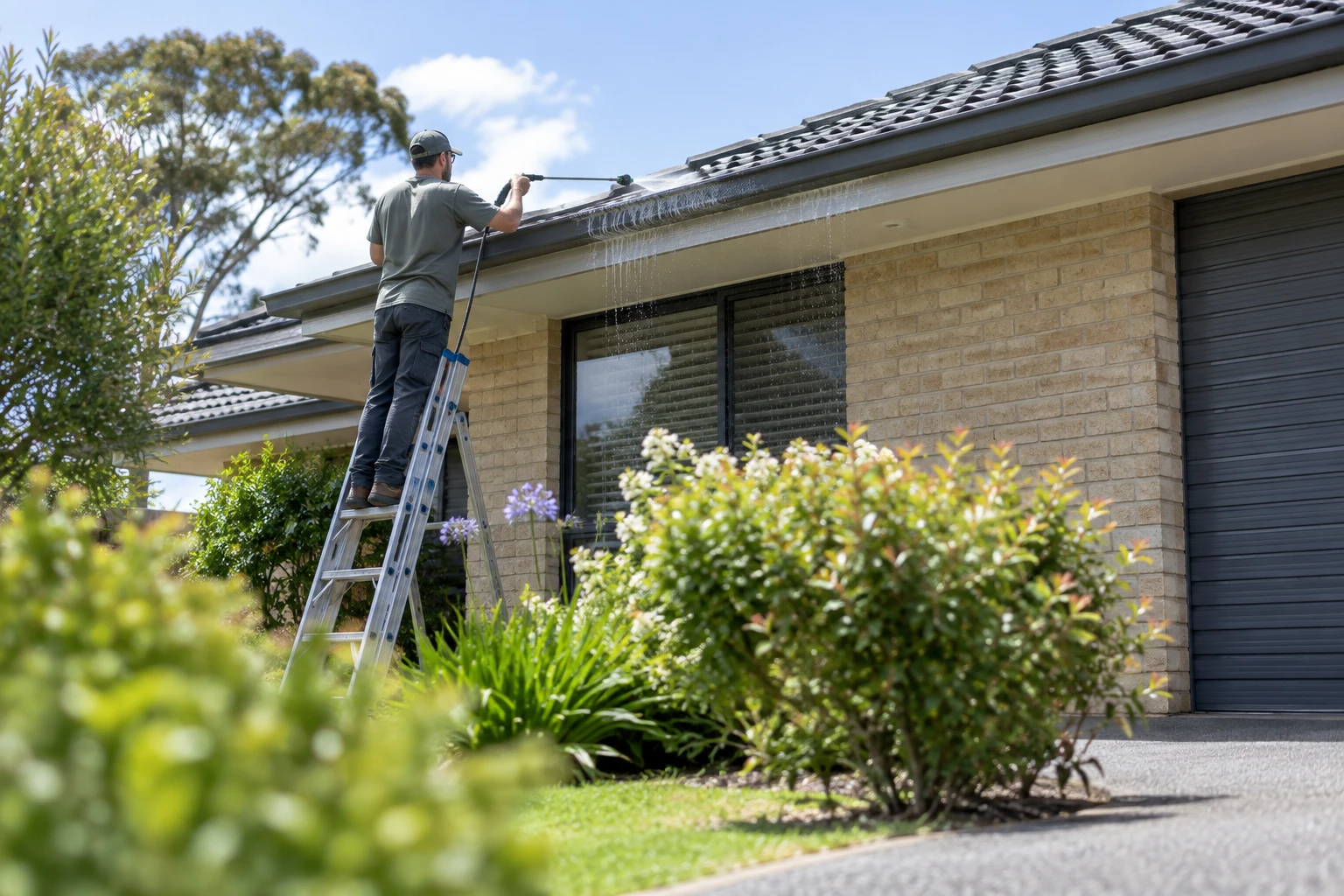
Is soft washing safe for roofs? Yes, when carried out correctly. It suits terracotta and concrete roof tiles and Colorbond, where high pressure risks damage. Roof work also involves height, so safe access matters.
House Exteriors, Render and Weatherboard
House washing with a soft method removes mould and mildew without gouging render or lifting paint from weatherboard.
Pool Areas, Fences, Solar Panels and Commercial Buildings
| Surface | Suitability | Caution |
|---|---|---|
| Terracotta and concrete tiles | Excellent | Avoid walking on fragile tiles |
| Colorbond | Excellent | Rinse thoroughly |
| Render and weatherboard | Excellent | Protect windows and fittings |
| Timber fences | Good | Test an area first |
| Pool areas | Good | Control run-off |
| Solar panels | Case by case | Follow manufacturer guidance |
Commercial buildings and strata properties also benefit from regular soft washing to maintain presentation. HiRange also provides a commercial cleaning quote option for businesses wanting a complete exterior clean.
Benefits and Limitations of Soft Washing
A balanced view helps you decide with confidence.
Longer-Lasting Results
Because the growth is killed at the root, results typically last longer than force-only cleaning. How long soft washing lasts depends on climate, shade and moisture, covered later in this guide.
Gentler on Surfaces
Low pressure reduces the risk of cracked tiles, stripped paint and water entering the building.
When It Will Not Work
Soft washing is not a cure-all. Oil stains, tyre marks and heavy concrete grime respond better to pressure cleaning. Rust or deeply ingrained stains may need specialist treatment.
Key takeaway: Use soft washing for living growth on delicate surfaces. Use pressure cleaning for hard surfaces with ground-in dirt.
How Much Does Soft Washing Cost in Australia?
How much does soft washing cost? Prices vary widely, so treat any figures as estimates and get a quote for your property.
Typical Price Ranges by Service
| Service | Indicative range (estimate only) |
|---|---|
| House wash | Varies by size and storeys |
| Roof soft wash | Varies by roof area and pitch |
| Fence and small areas | Lower, depending on length |
Factors That Change the Price
- Roof size: Larger areas take more time and product.
- Height and access: Multi-storey homes and steep roofs need extra safety measures.
- Contamination level: Heavy growth may need longer dwell time or a second treatment.
- Location: Travel and local conditions can affect pricing.
Skip guesswork. Use our free cost calculator or request a residential quote with no obligation.
Is Soft Washing Safe for Plants, Pets and the Environment?
Is soft washing safe for plants and pets? It is when the right safeguards are in place.
Plant Protection and Pre-Wetting
Plants are pre-wetted and rinsed afterwards, and sensitive areas are covered. Keep pets and children indoors during treatment and until surfaces have been rinsed and dried.
Run-Off Control and Compliance
Stormwater run-off must not carry contaminants into drains. Responsible teams control and minimise run-off in line with local requirements, such as the guidance published by the Victorian EPA on stormwater. Rules differ by state, so check your local EPA or council requirements.
To verify eco-friendly claims, ask for:
- Product names and safety data sheets
- Details of how run-off is managed
- Proof of insurance and trained staff
DIY vs Hiring a Professional
Can you soft wash a house yourself? Technically yes, but it carries real risk to you and your property.
Equipment Needed
A proper soft wash system, pumps, chemical handling gear and rinse equipment. Hardware-store setups rarely match professional results.
Safety Gear and Working at Heights
Roofs and upper storeys bring fall risk. Compliant, tagged safety equipment and trained operators are essential. Safe Work Australia publishes guidance on preventing falls from heights.
Questions to Ask a Contractor
- Are you fully insured?
- Are your staff trained and background-checked?
- What products do you use, and are they eco-friendly?
- Do you offer a satisfaction guarantee?
HiRange answers yes to all four, backed by a 100% money-back Happiness Guarantee and over 20 years of experience.
How Often Should You Soft Wash?
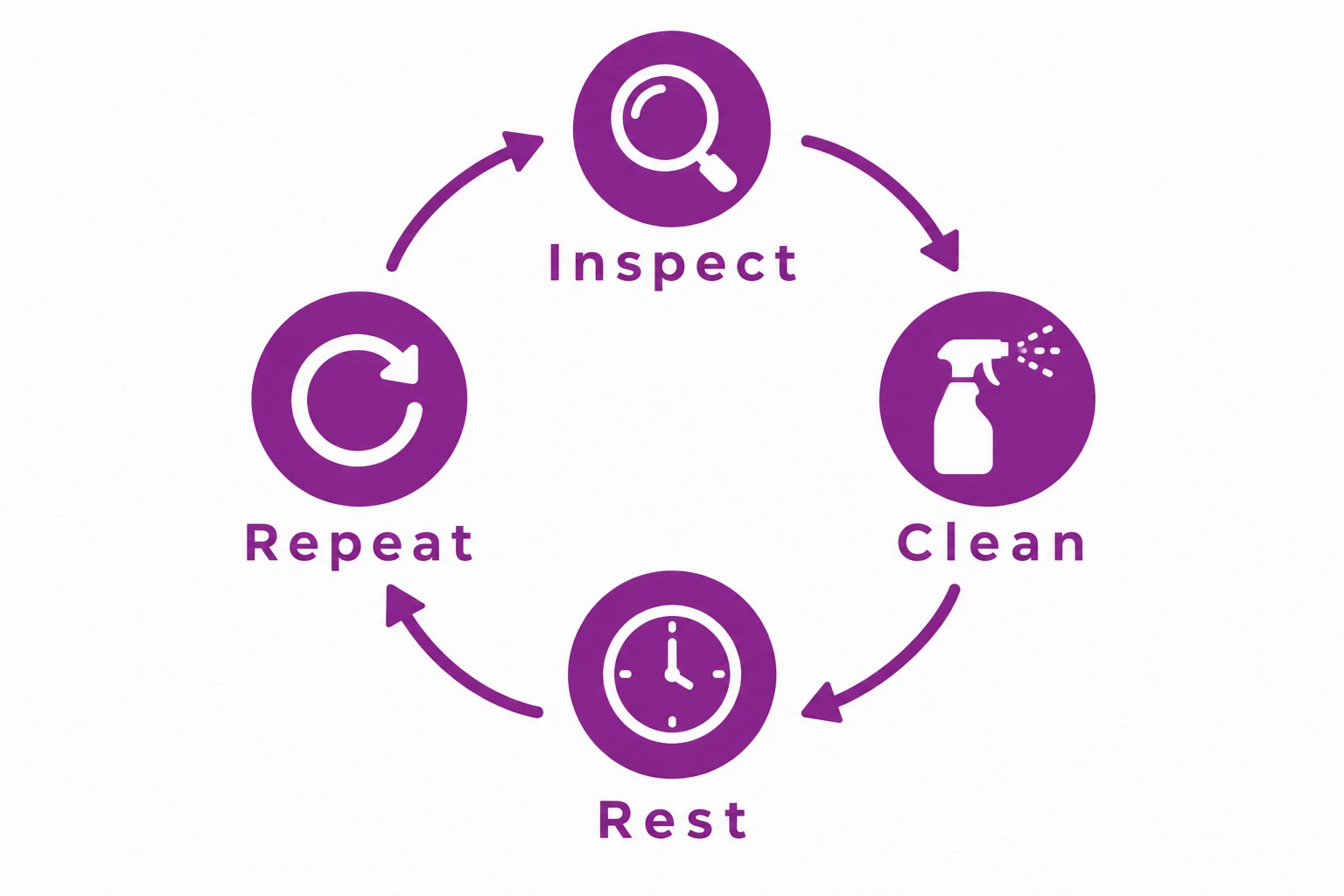
Frequency depends on environment.
Climate and Shade Factors
Humid, shaded or tree-covered properties grow mould faster. Dry, sunny locations stay cleaner longer. The Bureau of Meteorology’s climate data can help you understand the humidity and rainfall patterns in your area.
Conclusion
Soft washing uses low pressure and the right chemistry to clean roofs, render and weatherboard safely and keep them clean for longer. Pressure washing remains the better choice for concrete, driveways and oil stains. Matching the method to the surface is what protects your home.
HiRange Window Cleaning has served homes and businesses since 2006, with a trained, background-checked and fully insured team, eco-friendly products and a 100% money-back guarantee. Get a free, no-obligation quote today through our pressure cleaning quote or residential quote forms, and see your home sparkle.